This will form a tube of fabric
New York: Random House, 2014
Ignoring Grooming & Presentation No matter how refined the suit, neglecting the basics of groomingcleanly pressed shirts, polished shoes, and tidy haircan compromise the overall impression
Material: 50% wool, 50% nylon blend
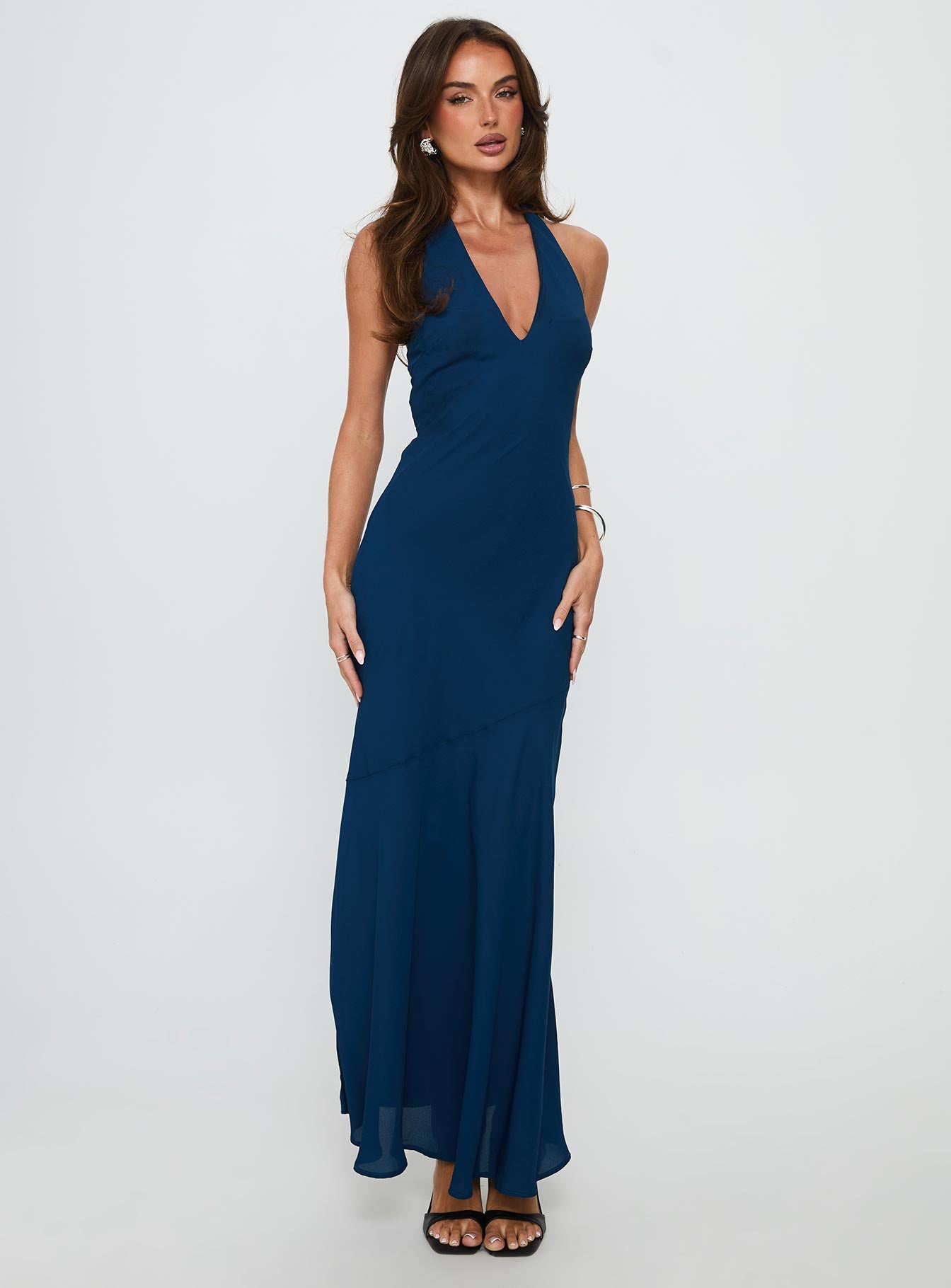
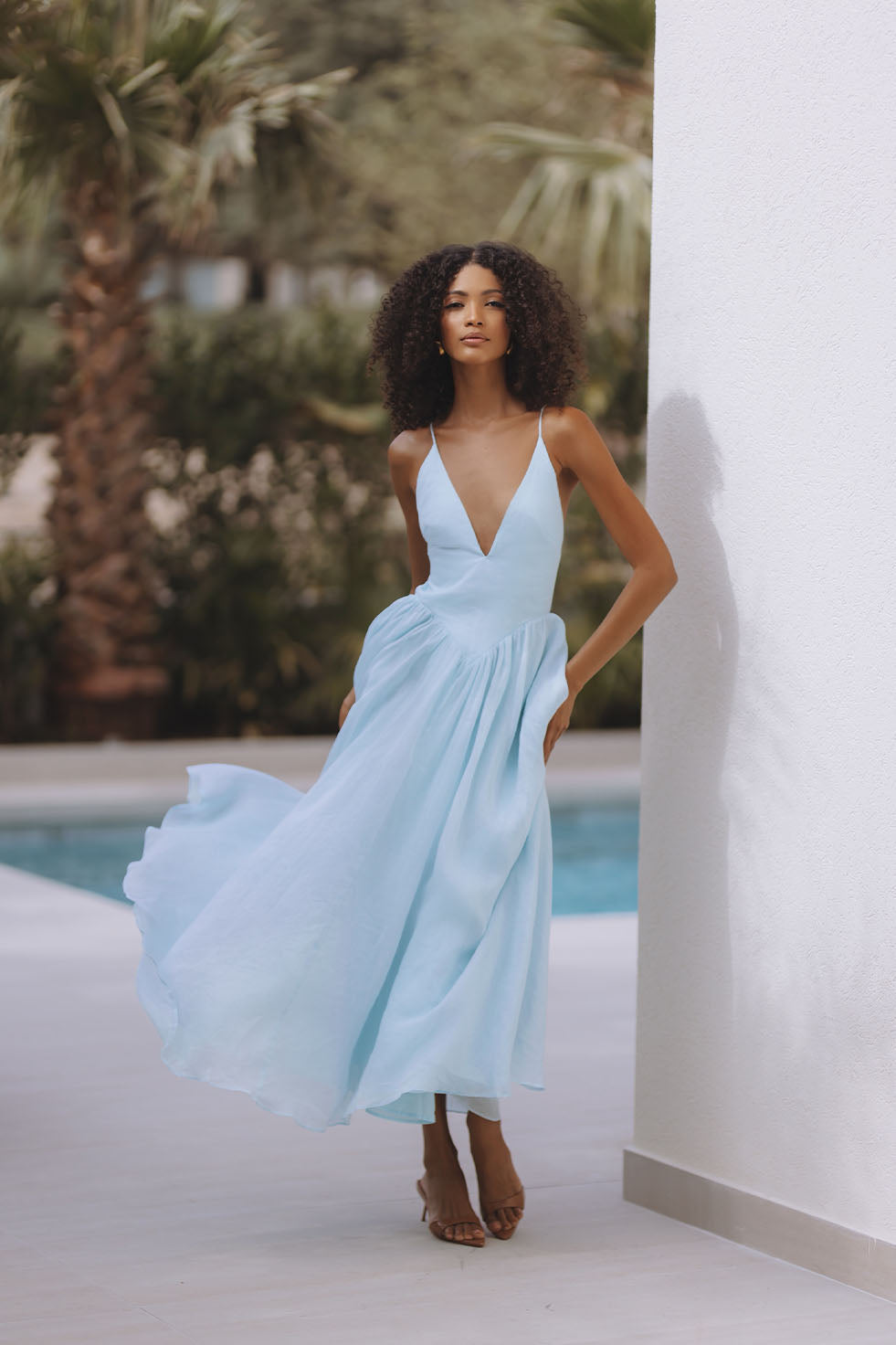
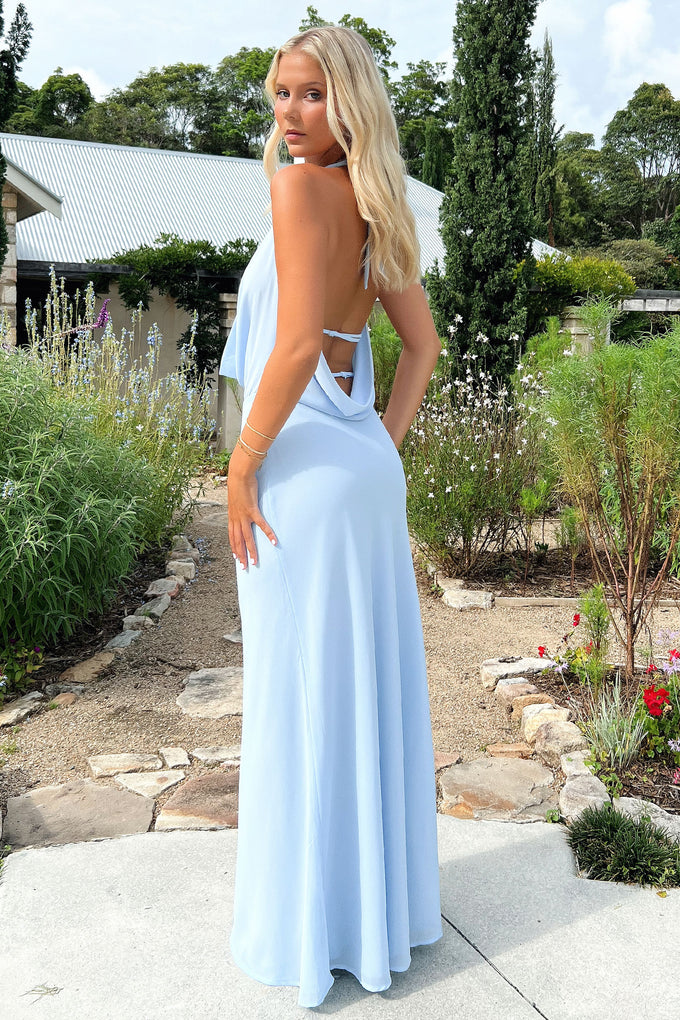
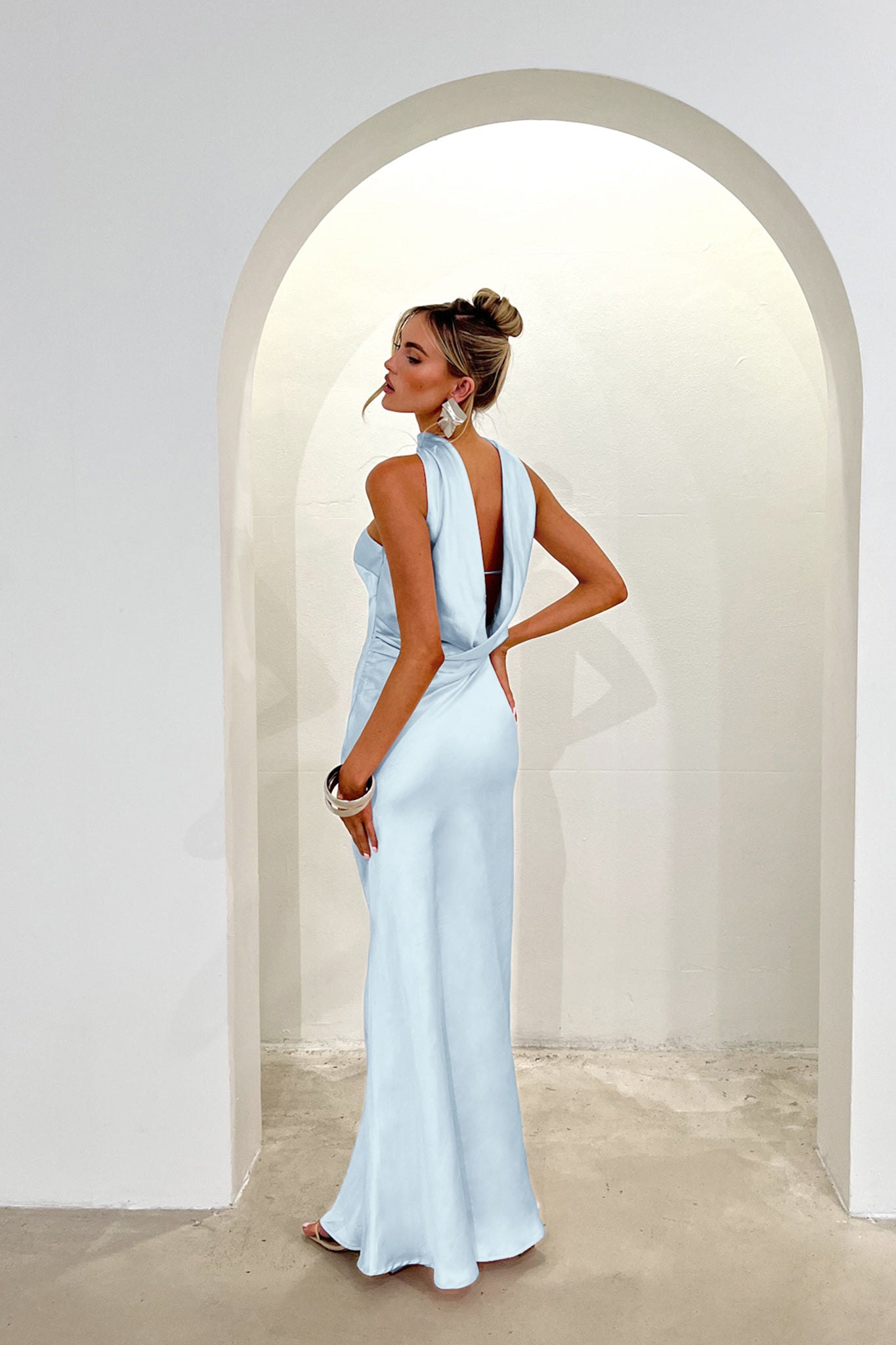
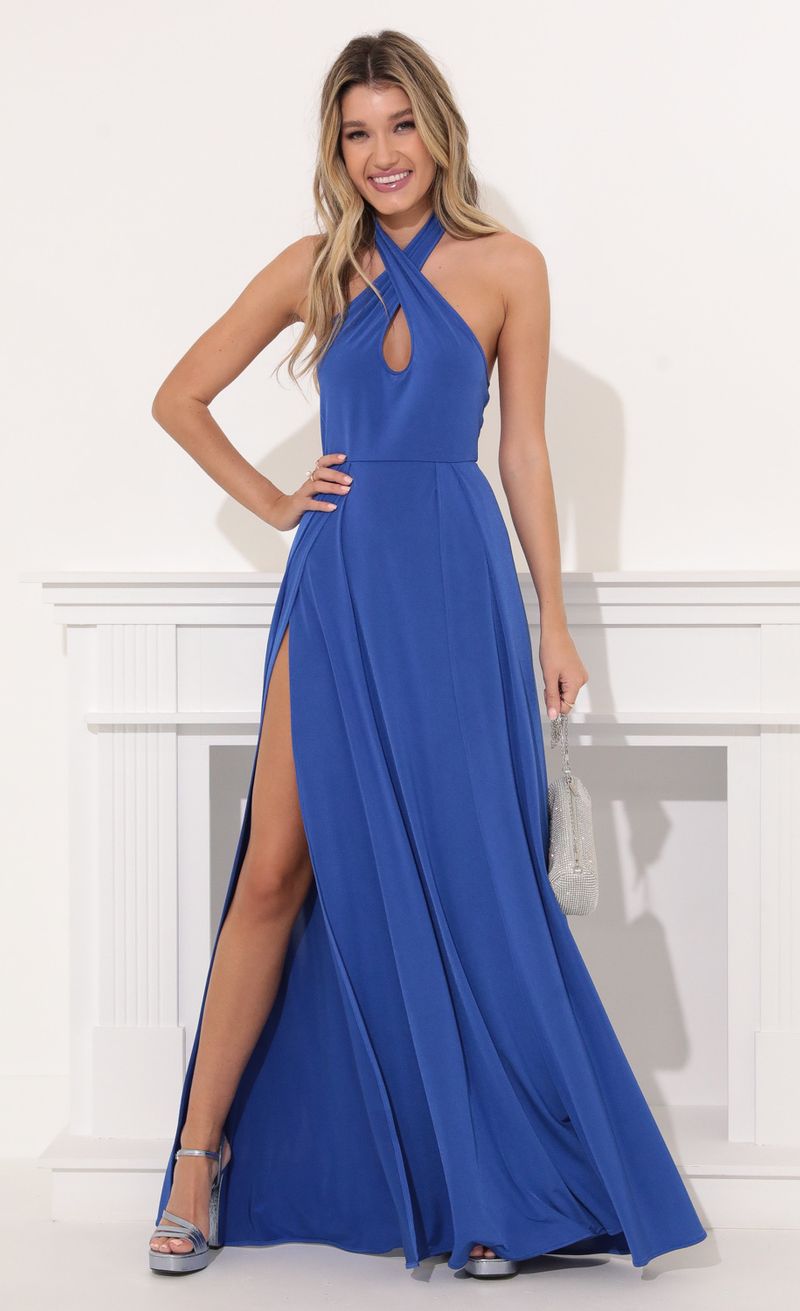
Sizing: XXS-XL Material: self: 63% rayon, 33% nylon, 4% elastane
with or without sleeves By 1903 the flares & frills at the bottoms of skirts were more pronounced Evening gowns had extravagant trains 1906 Skirts for day wear also had trains, even those tailored 1906-09, skirts lost fullness & the silhouette straightened After 1908, the waistline raised until it was a column like empire line or Directoire (Napoleon I) TRANSITION & TITANIC The high waistline was popular from 1908 to 1912 The natural waistline started to just come into fashion in 1912 From 1900-1914 bare arms, busts, gloves, & sumptuous fabrics in many layers came to the front of fashion The 1910 evening dress was made of delicate sheer fabrics embellished with beads, lace, or other trimmings that floated over a silk underlayer The general outline for an evening dress was an under-dress & tunic effect using a matching bodice & overskirt Bodices featured short sleeves V necks were most common, but deep Vs with a horizontal inset, & round or square necklines were also worn Surplice/cross-over bodices were also popular Waistlines were placed anywhere from just under the bust to the natural waist The waistline itself was loose & softly defined with a sash or belt Most dresses included two skirts: one tunic that matched the bodice & usually ended between the low hip & the knees, & one ankle-length trained underskirt The underskirt was generally slim, with the tunic overskirt comparatively fuller While gowns of this era appear to be diaphonous & draped, they are actually mounted onto a fitted cotton bodice lining that is often boned to support all the floating fabrics Construction of evening gowns included a bodice lining and/or a staybelt Made of cotton webbing or grosgrain/petersham ribbon, the staybelt was a fixed foundation on which to attach multiple layers COLLARS & CUFFS Around 1900 collars were held in place by supports made of celluloid which was covered with silk thread Very deep high lace fabric collars reached right under the neck